
PU leather shoes have become the backbone of casual and fashion footwear worldwide — light, flexible from the first wear, easy to clean and made in any color, all at a fraction of the cost of genuine hide. This guide explains what artificial leather PU shoes are, why footwear brands choose them, how to judge quality, and how to source PU leather shoes material with confidence.
| // Quick Answer | |
|---|---|
| What it is | Footwear with uppers (and often linings) made from polyurethane-coated fabric, embossed to look like leather. |
| Vegan | Yes — 100% PU contains no animal hide. |
| Top strengths | Lightweight, flexible with no break-in, water resistant, easy care, wide color range. |
| Watch-outs | Less breathable than hide (use breathable linings) and best stored cool and dry. |
| Best for | Casual shoes, lifestyle sneakers, loafers and fashion footwear at scale. |
What Are PU Leather Shoes?
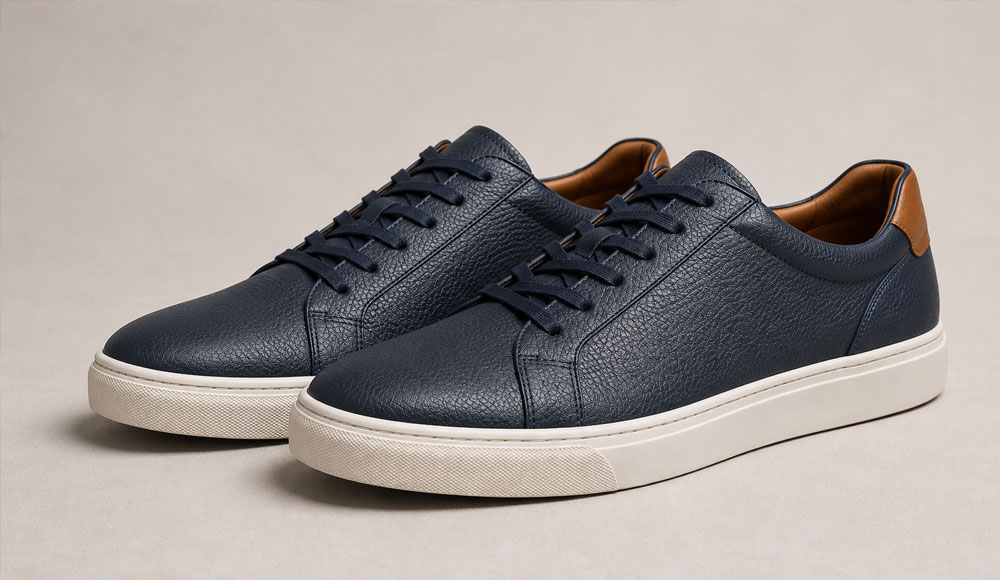
PU leather shoes are shoes whose upper — the part that covers the foot — is made from polyurethane synthetic leather rather than animal hide. The material is built by coating a textile backing (polyester, cotton, knit or non-woven) with flexible polyurethane and embossing it to imitate leather grain. In the trade, a shoe described as having a “PU upper” is exactly this; the same material is often used for the lining too. Because the surface is plastic rather than hide, 100% artificial leather PU shoes are vegan.
It is worth separating two uses of polyurethane in footwear, because both are called “PU”:
- PU synthetic leather — the coated-fabric material used for uppers and linings (the focus of this guide).
- PU foam & sole — polyurethane formulated as cushioning for midsoles and insoles, or as a denser outsole with good grip.
Why Footwear Brands Choose PU Leather
PU dominates both consumer and B2B footwear for practical reasons. The advantages that matter most for pu leather shoes are:
- Lightweight:Lighter than genuine leather, reducing foot fatigue over a long day on your feet.
- Flexible from day one:No painful break-in — the upper moves with the foot immediately, ideal for casual and active styles.
Water & stain - resistant:Repels light rain and spills and wipes clean, a practical edge for everyday and winter footwear.
- Consistent at scale:Uniform color and grain across full rolls means predictable mass production and easy bulk ordering.
- Endless design range:Any color, grain or finish, with fast color changes for spring/summer and autumn/winter collections.
- Vegan & lower cost:An animal-free material at a fraction of hide cost, with recycled and bio-based PU options available.
PU Leather vs Genuine, PVC & Microfiber for Shoes
An honest comparison helps you spec the right upper for the style and price point:
| PU Leather | Genuine Leather | PVC / Vinyl | Microfiber PU | |
|---|---|---|---|---|
| Relative cost | Low–mid | High | Low | Mid–high |
| Weight | Light | Heavier | Heavier | Light |
| Flexibility | High (no break-in) | Stiff, then conforms | Lower | High |
| Breathability | Low (lining helps) | High | Low | Moderate |
| Durability | Moderate | High | High | High |
| Vegan | Yes | No | Yes | Yes |
| Best for | Casual / fashion | Formal / premium | Boots / work | Sport / premium |
Quality Grades & What to Look For
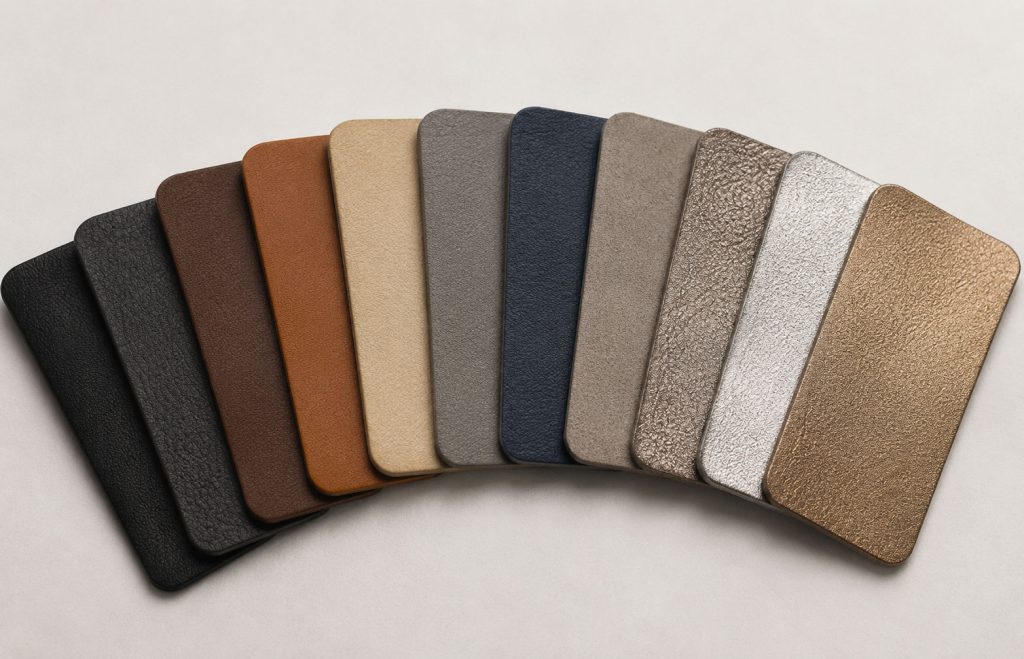
The gap between budget and premium PU is wide. When you evaluate samples, check:
| No crack | PES / Knit / NW | Dry & wet | 100% PU |
| Toe-box flex | Backing fabric | Rub fastness | Vegan grade |
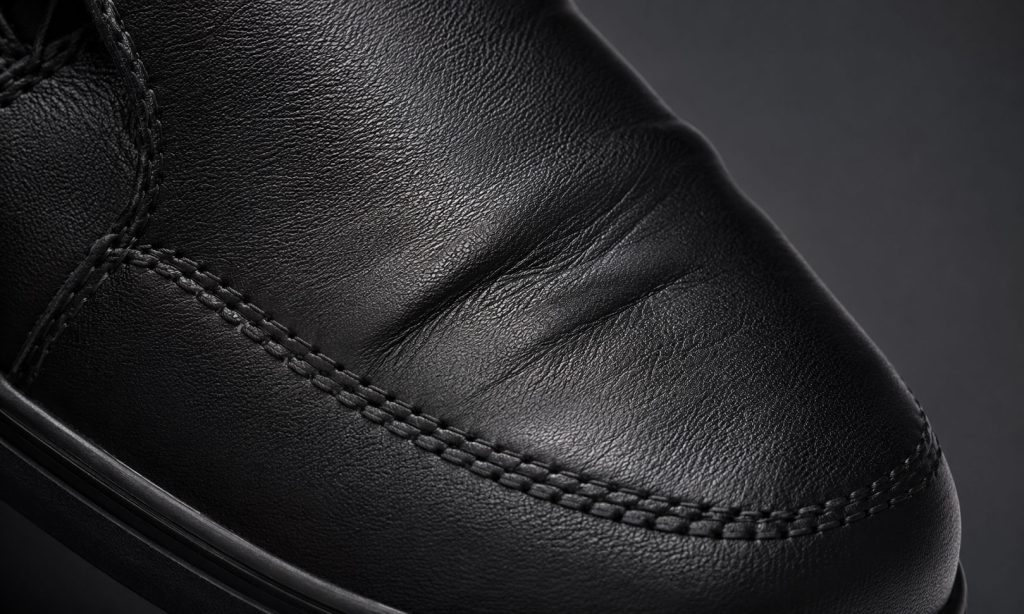
- Flex resistance. Bend the toe box — premium PU flexes without cracking or creasing permanently. For running and training, choose microfiber PU or higher-flex grades to prevent early cracking at flex points.
- Bonding & density. High-density PU with strong bonding resists the peeling and cracking that cause early failure.
- Backing choice. Polyester is durable and stable; knit adds stretch; non-woven keeps cost and weight down; mesh-backed grades improve airflow.
- Colorfastness. Ask for dry and wet rub-fastness data — important for dark shoes worn without socks, where perspiration can transfer color.
- Stitching. Even, tight seams with double stitching at heel and toe signal good construction.
Breathability, Care & Lifespan
Be honest with customers about the trade-offs, and the material performs well:
- Breathability. PU breathes less than hide, but a breathable lining plus mesh or perforated panels keeps feet comfortable in everyday wear.
- Cleaning. Wipe with a soft, damp cloth and mild soap; air-dry away from direct heat. Avoid harsh solvents, which break down the coating.
- Conditioning. A PU-specific conditioner now and then keeps coated and embossed surfaces supple and helps prevent cracking.
- Storage & lifespan. Standard PU shoes last around 1–2 years with regular use; quality grades last longer. PU can become unstable and crack or crumble if left unused for long periods in hot or damp conditions, so rotate your shoes and store them cool and dry.
Where PU Leather Is Used in Footwear
PU synthetic leather appears right across the shoe rack:
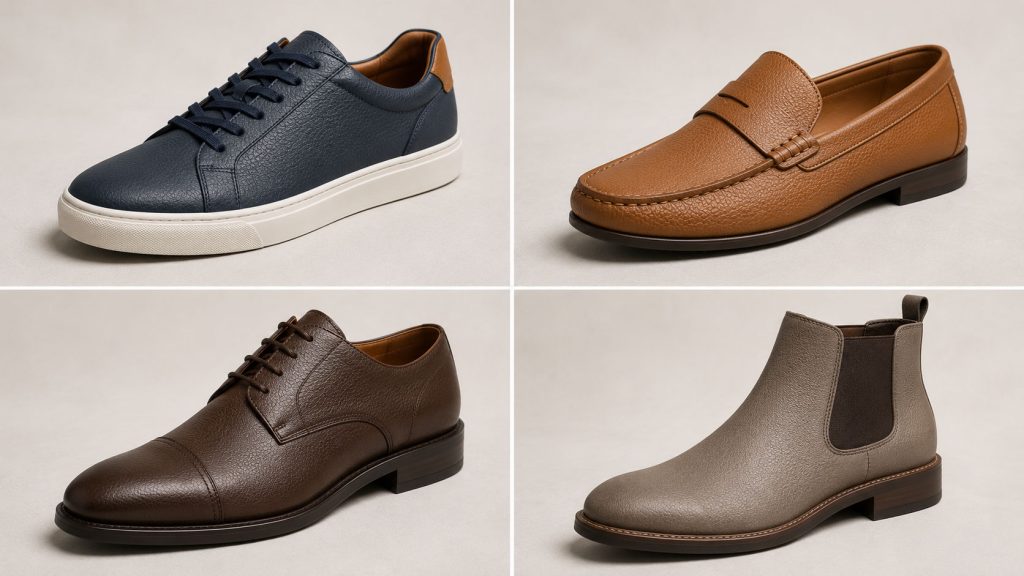
- Casual & lifestyle sneakers — the largest-volume use, where affordability and style drive the segment.
- Loafers & formal styles — budget and fashion dress shoes that want a clean, uniform leather look.
- Fashion & seasonal footwear — fast color and finish changes suit trend-led collections.
- Sports-inspired shoes — PU is paired with mesh, engineered knit and TPU overlays, with microfiber PU at high-flex zones.
- Boots & winter wear — water resistance makes PU practical for rain and cold-weather styles.
Sourcing PU Leather Shoes Material
Brands sourcing material for pu leather shoes are working with the world’s largest synthetic leather industry. China is the leading global producer, with deep footwear-grade capacity and clusters such as Fujian (Jinjiang and Quanzhou) close to the country’s shoe-manufacturing heartland. To source well:
- Verify certification. Prioritize REACH-, OEKO-TEX-, SGS- and RoHS-backed material.
- Confirm performance. Request flex, abrasion and dry/wet colorfastness data for the exact article.
- Sample first. Test hand-feel, flex and color on real samples before bulk or OEM runs.
- Plan customization. Color, grain, thickness and backing can be tailored to a brand or season.
Frequently Asked Questions
Are PU leather shoes real leather?
No. PU leather shoes use uppers made from polyurethane-coated fabric, embossed to look like leather. They contain no animal hide, so 100% PU shoes are vegan — a “PU upper” simply means the outer material is artificial leather PU.
Are PU leather shoes good?
For the price, yes. They are lightweight, flexible from day one, water resistant, easy to clean and available in any color, which is why they dominate casual and fashion footwear. Genuine leather is more breathable and longer-lasting, so the right choice depends on use and budget.
Are PU leather shoes breathable?
PU itself breathes less than genuine leather, but a breathable lining and mesh or perforated panels largely offset this, keeping feet comfortable in everyday wear.
How long do PU leather shoes last?
Standard PU shoes typically last about 1–2 years with regular use; high-density grades last longer. PU can crack or, if stored unused in hot or damp conditions, degrade over time — so rotate them and store cool and dry.
How do you clean PU leather shoes?
Wipe with a soft, damp cloth and mild soap, then air-dry away from direct heat. Use a PU-specific conditioner occasionally to keep the surface flexible, and avoid harsh solvents.