
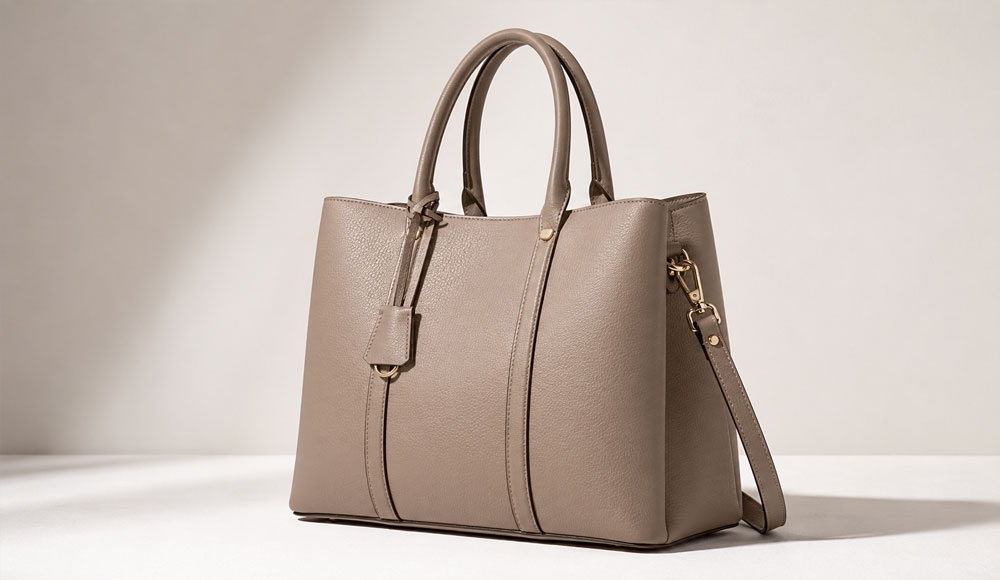
Bags are one of the best-fit uses for PU synthetic leather: a light, water-resistant, endlessly customizable material that lets brands hit a leather look at an accessible price. This guide explains what a PU leather bag is, why brands choose it, the grades available, what makes one durable, and how to source the right material with confidence.
| // Quick Answer | |
|---|---|
| What it is | A bag whose body is made from polyurethane-coated fabric, embossed to look like leather. |
| Vegan | Yes — 100% PU contains no animal hide. |
| Best grade | Microfiber PU for everyday handbags; standard PU for fashion and light use. |
| Lifespan | About 3–5 years with care; longer for microfiber and premium grades. |
| Watch points | Handles, corners and zipper surrounds; keep cool, dry and not overstuffed. |
What Is a PU Leather Bag?
A PU leather bag is a bag whose body is made from polyurethane synthetic leather rather than animal hide. The material — often called bag PU leather in the trade — is built by coating a textile backing (woven polyester, cotton or non-woven microfiber) with polyurethane and embossing it to imitate leather grain. It is supplied to bag makers in rolls, then cut and stitched like any upholstery or leather panel. Because the surface is a plastic coating with no hide, a 100% PU bag is vegan, which has made it a staple of cruelty-free fashion.
It sits between genuine leather and lower options: more convincing and balanced than PVC or bonded leather, but without the breathability, patina and decades-long life of real hide. For bags specifically — a moderate-stress product — that trade-off works in PU’s favor.
Why Brands Choose PU Leather for Bags
Unlike belts or watch straps, which flex hard at the same point every day, bags see only moderate bending, surface rubbing and hand oils — so quality PU performs well here. The reasons brands choose PU leather for bag production are clear:
- Lightweight:PU bags weigh roughly 30–50% less than leather, so a tote feels easy to carry all day.
- Water resistant:The coated surface shrugs off spills and light rain and wipes clean in seconds.
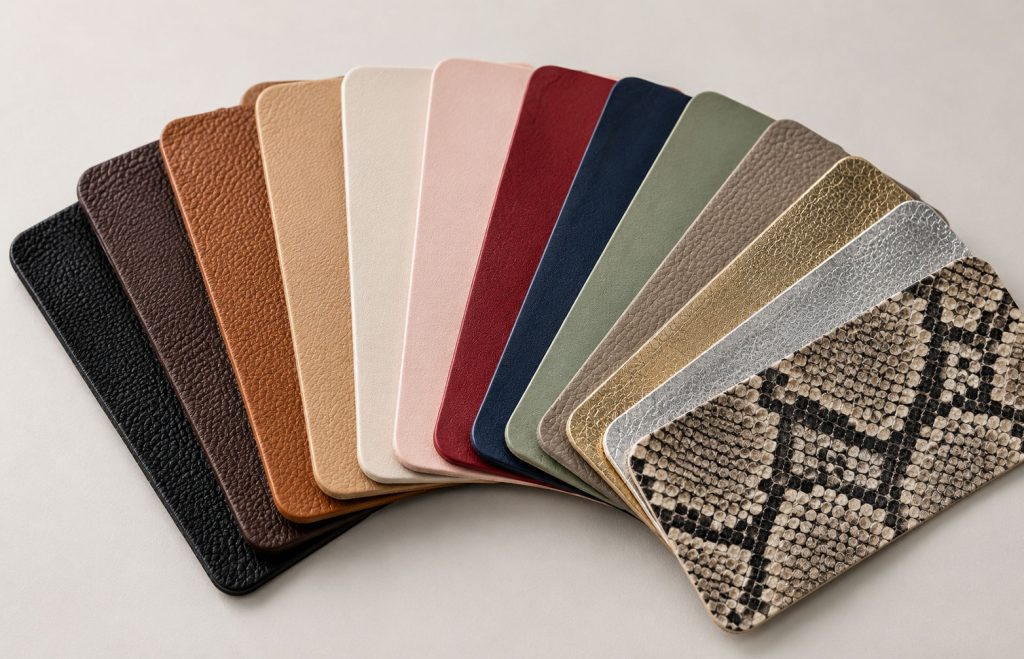
- Endless color & print:Metallics, bright tones, embossed grains and prints — far beyond what dyed hide allows.
- Design freedom:Light, uniform panels make structured totes and clean silhouettes easy to engineer.
- Consistent at scale:Even color and grain across full rolls means predictable mass production and bulk orders.
- Vegan & affordable:An animal-free material at a fraction of hide cost, with recycled and bio-based options.
PU Leather vs Genuine, PVC & Microfiber for Bags
An honest comparison helps you choose the right material for the bag’s price point and use:
| PU Leather | Genuine Leather | PVC / Vinyl | Microfiber PU | |
|---|---|---|---|---|
| Relative cost | Low–mid | High | Low | Mid–high |
| Weight | Light | Heavier | Heavier | Light |
| Durability | Moderate | High (patina) | High | High (best PU) |
| Water resistance | High (surface) | Moderate | Very high | High |
| Color / print range | Very wide | Limited | Wide | Wide |
| Vegan | Yes | No | Yes | Yes |
| Best for | Fashion / daily | Premium / heirloom | Budget / utility | Premium handbags |
PU Grades for Bag Making
Choosing the right PU leather for bag making starts with the grade. Four are common:
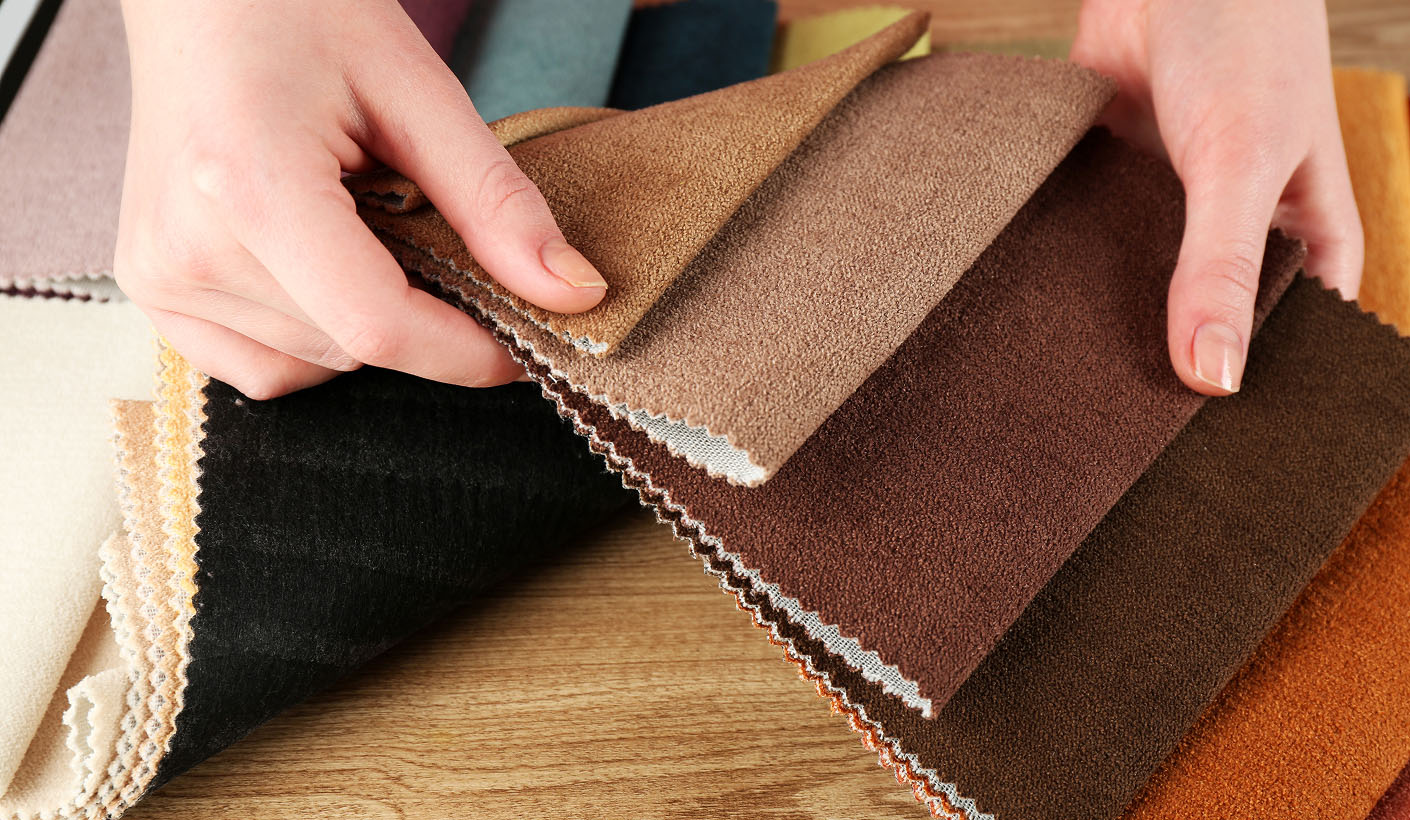
- Standard PU — polyurethane on a woven polyester or cotton backing. Lightweight, cost-efficient and available in every color; ideal for fashion and statement bags and light daily use.
- Soft PU — a thinner, more flexible coating that drapes naturally; great for slouchy hobos and travel bags, though it is less suited to heavy loads.
- Microfiber PU — built on a dense non-woven microfiber base that mimics real leather’s fiber structure, giving the highest tear strength and flexibility. The top choice for everyday and premium handbags.
- Premium / specialty PU — adds hand-feel coatings or dual-layer treatments for scratch and fade resistance and a more convincing, upscale look.
What Makes a Durable PU Leather Bag
Two bags can look identical yet wear very differently. When you evaluate the material and construction, check:
| Thicker = tougher | PES / Nylon / Microfiber | Lab-tested | Reinforced |
| Coating | Backing | Hydrolysis | Stress points |
- Coating thickness — the single biggest durability factor; thicker coatings resist scratches and wear, with a slightly firmer feel.
- Backing fabric — nylon handles weight and stretch, polyester performs better under sunlight, and microfiber gives the highest tear strength for bags that carry a load.
- Hydrolysis resistance — in humid markets, moisture can break PU down from the inside, so ask suppliers for hydrolysis-resistance data.
- Bonding & pre-treatment — proper backing pre-treatment prevents delamination, the root cause of peeling.
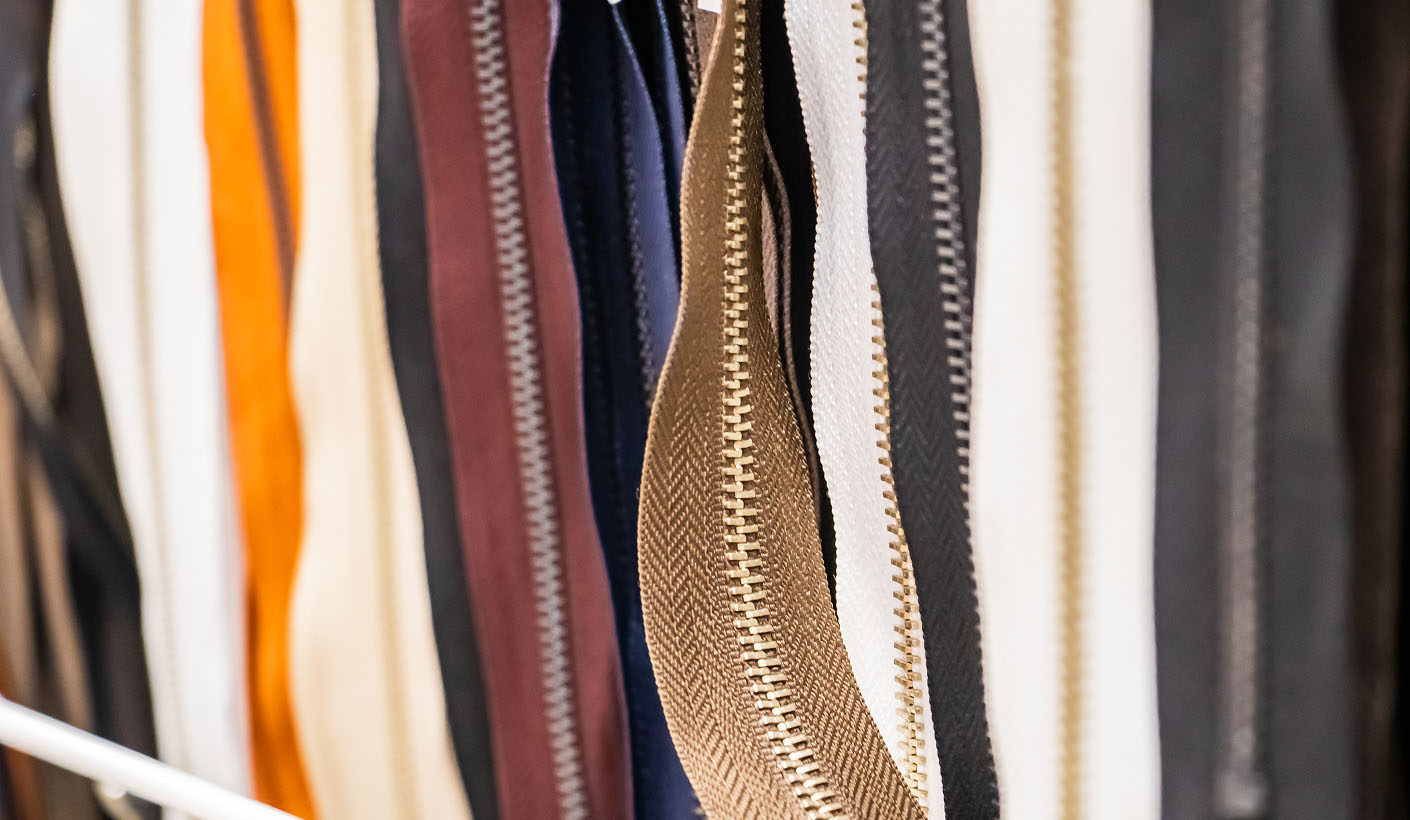
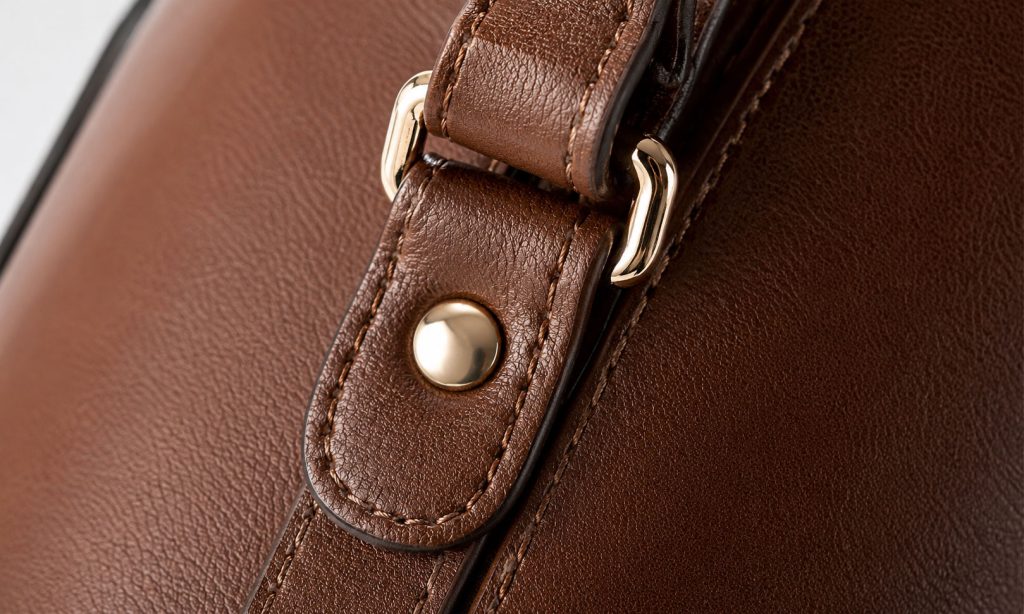
- Construction — reinforced stitching, sturdy metal hardware and a good interior lining keep handles, corners and zipper surrounds intact.
Care, Storage & Lifespan
Set honest expectations and the material rewards good habits. PU peeling, when it happens, usually starts at stress points — handles, corners and zipper surrounds — so reinforced construction and sensible care matter most:
- Clean gently. Wipe with a soft cloth and mild soapy water every couple of weeks; avoid alcohol-based cleaners, harsh chemicals and genuine-leather conditioners, which degrade the coating.
- Keep it dry. Moisture drives hydrolysis; if a bag gets wet, air-dry it fully before storing, and keep it away from heaters and direct sun.
- Don’t overstuff. Heavy loads strain seams and handles and shorten a bag’s life.
- Store well. A cool, dry spot and a dust bag protect shape and color; rotating bags rather than using one daily extends life.
With this care, handbags and totes commonly last around 3–5 years, and microfiber or premium grades longer — good maintenance can extend a PU bag’s life by 30–60%.
Sourcing Bag PU Leather
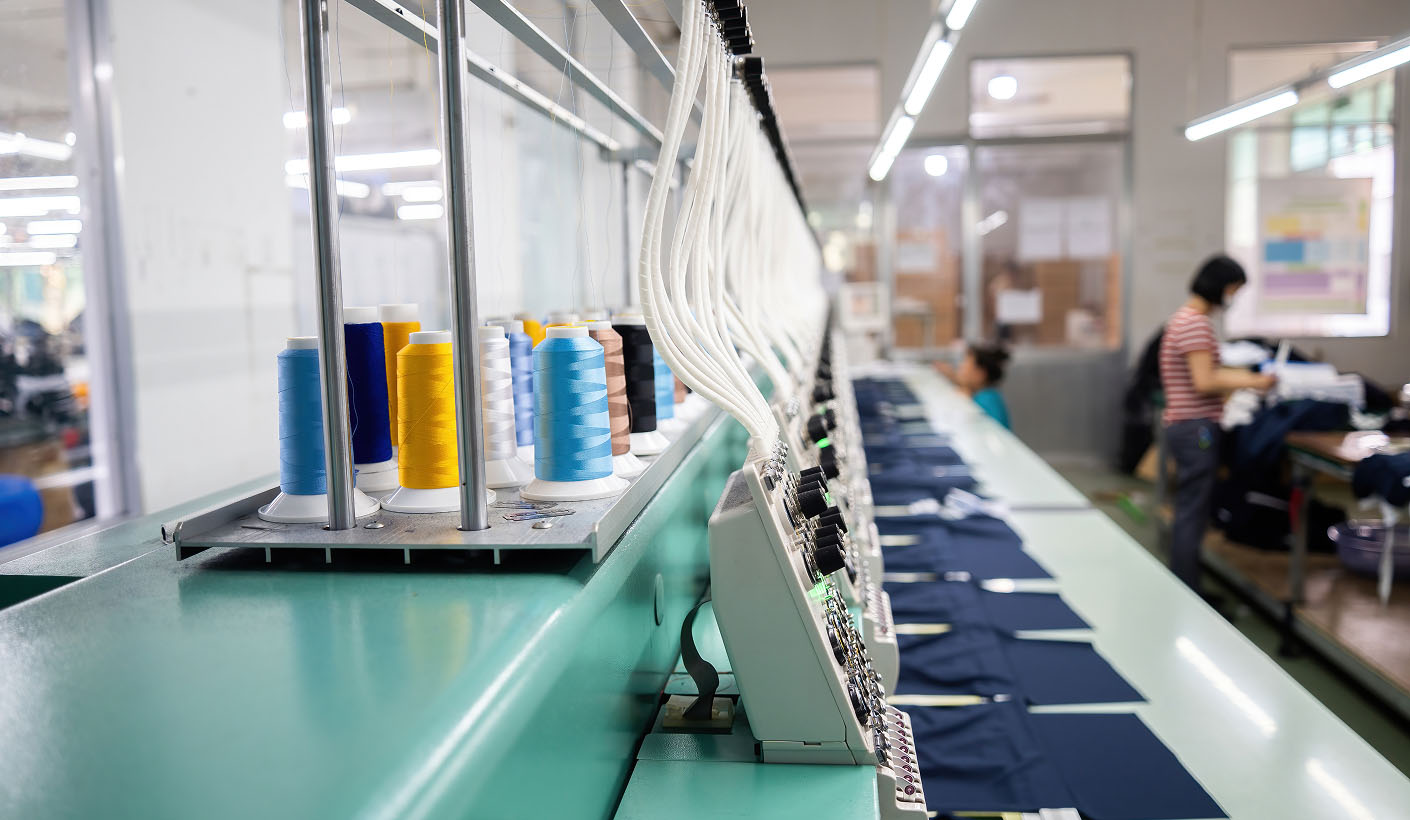
Brands sourcing bag PU leather are working with the world’s largest synthetic leather industry. China is the leading global producer, with deep capacity close to bag-making hubs such as Guangzhou (Shiling) and Baigou. To source well:
- Verify certification. Prioritize REACH-, OEKO-TEX-, SGS- and RoHS-backed material.
- Confirm performance. Request hydrolysis, abrasion and dry/wet colorfastness data for the exact article.
- Sample first. Test hand-feel, drape and color on real samples before bulk or OEM runs.
- Plan customization. Color, grain, thickness and backing can be tailored to a brand, collection or season.
Frequently Asked Questions
Is a PU leather bag real leather?
No. A PU leather bag is made from polyurethane-coated fabric, embossed to look like leather. It contains no animal hide, so 100% PU leather bags are vegan.
Are PU leather bags durable?
Bags are a moderate-stress use that suits PU well. A quality grade — thicker coating, strong bonding and a microfiber or nylon backing — lasts about 3–5 years or more with care, though peeling can start at stress points such as handles, corners and zipper surrounds.
What is the most durable PU leather for bags?
Microfiber PU leather is generally the most durable grade. Its dense non-woven base gives higher tear strength and flexibility than standard woven-backed PU, so it resists cracking and holds shape under daily use.
How long does a PU leather bag last?
Handbags and totes typically last about 3–5 years if kept out of strong sun and humidity; microfiber and premium grades last longer. Good care can extend lifespan by 30–60%.
How do you clean a PU leather bag?
Wipe with a soft cloth and mild soapy water every couple of weeks, then dry. Avoid alcohol-based cleaners, harsh chemicals and genuine-leather conditioners. Store cool and dry, away from heat, and don’t overstuff the bag.